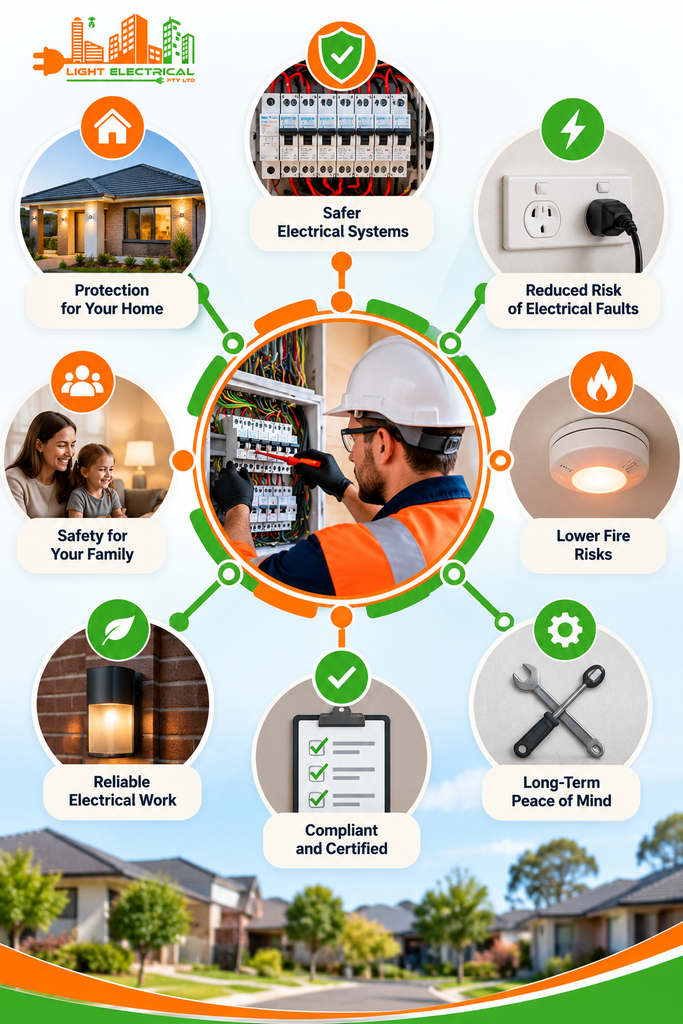
Electrical problems rarely start with a dramatic warning. Sometimes, it is a power point that feels unusually warm, a circuit breaker that keeps tripping, or a light that flickers whenever an appliance starts. These signs may appear minor, but they can point to loose connections, overloaded circuits, damaged wiring, or other faults that need professional attention.
For homeowners, choosing a licensed electrician in Coolaroo VIC is about more than getting the lights working again. It is about reducing electrical risks, protecting household appliances, and making sure repairs and installations comply with applicable Victorian requirements.
Electrical work also varies considerably from one property to another. An older home may have ageing wiring or an outdated switchboard, while a renovated property may need additional circuits to support modern appliances. A qualified professional can assess these differences rather than relying on a quick fix.
Understanding Common Electrical Problems in Coolaroo helps property owners recognise when to seek assistance, what a professional inspection should involve, and how to make safer decisions before a small fault becomes a serious concern.
This guide explains why licensed electrical work matters, how professionals identify hazards, and what homeowners should know before arranging electrical repairs or upgrades.
Why Does Hiring a Licensed Electrician Matter?
Electrical systems involve interconnected components, including wiring, protective devices, switches, outlets, lighting circuits, and earthing arrangements. A fault in one component can affect the operation and safety of the wider system.
A Licensed Electrician has the appropriate Victorian electrical licence for the work they undertake and the knowledge to assess these interconnected risks.
For example, consider a homeowner whose circuit breaker trips whenever the kitchen kettle and microwave operate together. Simply replacing the breaker may not solve the underlying problem. The circuit could be overloaded, an appliance could be faulty, or a wiring defect could be present.
A professional investigates the cause before deciding on a suitable repair.
What Does a Licensed Professional Check?
Depending on the reported problem, an electrician may assess:
- The condition of accessible wiring and electrical connections.
- Switchboards, circuit breakers, and residual current devices (RCDs).
- Power points, switches, and light fittings.
- Earthing and protective arrangements.
- Circuit loading and the suitability of installed equipment.
- Signs of heat damage, moisture exposure, or deteriorating insulation.
Not every job requires a complete electrical inspection. The scope should reflect the fault, the proposed work, the property’s condition, and any applicable safety requirements.
How Does Licensing Protect Homeowners?
Victoria has specific licensing requirements for electrical work. Homeowners should verify that the person undertaking the work holds the appropriate current licence or registration for the task.
For prescribed electrical installation work, a Certificate of Electrical Safety (COES) may be required. The electrician should explain whether the work is prescribed, what documentation applies, and what the customer should receive.
This creates a clearer record of the work completed and supports accountability.
Importantly, a licence is not a guarantee that every job will be flawless. Checking credentials, asking questions, and ensuring that the work is documented remain sensible precautions.
What Are the Common Electrical Problems in Coolaroo Homes?
The age, condition, electrical demand, and maintenance history of a property can influence the faults that develop. Although individual homes differ, some electrical issues deserve particular attention.
1. Frequently Tripping Circuit Breakers
A circuit breaker is designed to interrupt power when it detects certain unsafe electrical conditions, such as an overload or short circuit.
If a breaker repeatedly trips, the cause might include:
- Too many high-powered appliances operating on one circuit.
- A damaged appliance or electrical connection.
- A short circuit or another wiring fault.
- A problem with the protective device itself.
Resetting the breaker repeatedly without identifying the cause can leave the underlying hazard unresolved.
A licensed electrician can assess the affected circuit, test relevant components, and determine whether the solution involves redistributing electrical loads, repairing faulty equipment, or carrying out other corrective work.
2. Flickering or Dimming Lights
Occasional flickering may result from a loose lamp, a failing bulb, or an incompatible dimmer. However, widespread flickering or lights that dim noticeably when appliances start can indicate a more significant electrical problem.
Pay particular attention if several lights behave unexpectedly, the issue occurs across different rooms, or flickering accompanies buzzing sounds or a burning smell.
These symptoms should not be dismissed as normal ageing. A professional can determine whether the problem is limited to a fitting or relates to a circuit, connection, or supply issue.
3. Warm Power Points and Switches
Electrical accessories can become dangerous when connections deteriorate, components fail, or excessive current produces unwanted heat.
Warning signs include:
- A power point that feels unusually hot.
- Brown or black discolouration around a switch.
- Crackling or buzzing noises.
- A burning-plastic smell.
- Visible melting or damage.
Stop using the affected outlet if it is safe to do so, and arrange a professional assessment. Do not remove the cover or attempt to tighten internal connections yourself.
If there is smoke, sparking, or an active fire, keep clear and contact emergency services where necessary.
4. Outdated Switchboards and Missing Protection
Older switchboards may not provide the same level of protection as modern installations. Depending on the existing equipment and installation history, an electrician may identify missing or unsuitable RCD protection, deteriorated components, insufficient circuit capacity, or other concerns.
An RCD helps reduce the risk of serious electric shock by disconnecting power when it detects certain leakage-current conditions. It does not eliminate every electrical hazard, and it does not replace correct wiring, earthing, or appropriate overcurrent protection.
A professional assessment can establish whether repairs, additional protection, or a switchboard upgrade are warranted.
5. Electrical Faults Associated With Moisture
Moisture can damage electrical equipment and increase the risk of electric shock. Leaks near power points, damp walls around wiring, and water entering outdoor fittings all deserve attention.
This can become particularly important after plumbing leaks, roof damage, or heavy rain.
Never touch wet electrical equipment or enter a flooded area where electrical hazards may be present. If it is safe to do so without approaching water or damaged equipment, keep others away and seek qualified assistance.
Recognising these Common Electrical Problems in Coolaroo gives homeowners a practical starting point for identifying warning signs, but a qualified professional should handle diagnosis.
How Does a Residential Electrician Improve Household Safety?
A residential electrician Coolaroo can help homeowners maintain electrical systems, identify faults, and plan improvements that suit the property’s actual needs.
The benefit is not simply that an electrician can replace a damaged component. The important part is understanding why the component failed and whether another part of the system also needs attention.
Assessing the Whole Circuit, Not Just the Visible Fault
Imagine a homeowner who notices that a bedroom power point has stopped working. Replacing the outlet might seem like the obvious solution, but the fault could originate elsewhere in the circuit.
A professional can inspect the relevant circuit, carry out appropriate electrical tests, and establish whether the issue involves the outlet, wiring, protective device, or another component.
This approach helps prevent repeat failures and avoids replacing parts unnecessarily.
Making Renovations Safer
Home renovations often introduce new electrical demands. A kitchen renovation might add an oven, dishwasher, rangehood, and additional power points. A home office may require more outlets and network equipment than the original room design anticipated.
A licensed professional can assess the proposed layout, determine appropriate circuit arrangements, and identify any changes needed to the existing installation.
Before renovation work begins, discuss:
- Which appliances will need dedicated circuits, where required.
- Whether the existing switchboard has suitable capacity.
- Where outlets and switches should be positioned.
- How lighting will be controlled.
- Whether the planned work affects existing wiring or protective devices.
Planning these details early is usually more practical than discovering electrical limitations after cabinets, plasterboard, or flooring have been installed.
Protecting Children, Older Residents, and Visitors
Electrical safety should account for the people who use a home, not just the equipment installed in it.
For example, a family may need safer placement of power points, properly installed outdoor lighting, or a review of older electrical accessories. A household with an older resident may benefit from improved lighting in hallways and entryways to reduce trip hazards.
A professional can recommend suitable options based on the property and its occupants without assuming that every home needs the same upgrades.
What Does Electrical Safety Involve Beyond Repairs?
Electrical Safety depends on the condition of the installation, the suitability of protective devices, safe appliance use, and timely attention to warning signs.
Even a newly repaired electrical system needs sensible day-to-day care.
Understand the Role of Safety Switches
Safety switches, commonly known as RCDs, help protect people by disconnecting a circuit when a residual-current imbalance is detected. They provide important protection against some electric shock risks.
However, an RCD is not a substitute for a correctly installed electrical system. It cannot make damaged wiring safe or eliminate all risks associated with electricity.
Homeowners should ask their electrician which circuits are protected and how the installed devices should be tested. Follow the manufacturer’s instructions and any advice provided by the electrician.
If a safety switch fails its test, trips repeatedly, or will not reset, have the problem investigated rather than repeatedly forcing it back on.
Keep Electrical Equipment Away From Water
Water and electricity are a dangerous combination. Bathrooms, laundries, kitchens, garages, and outdoor areas deserve particular attention because moisture can affect electrical equipment.
Useful precautions include:
- Avoid using electrical appliances with wet hands or near standing water.
- Keep cords and power boards away from sinks and wet floors.
- Arrange repairs to leaking roofs or pipes that affect electrical fittings.
- Use outdoor electrical equipment suitable for its environment.
- Never use damaged extension leads or accessories.
If water has entered a switchboard or electrical fitting, do not touch it or attempt to dry it yourself. Keep away and obtain professional help.
Avoid Overloading Power Boards
Plugging multiple high-powered appliances into one outlet or power board can create excessive electrical demand. Daisy-chaining power boards can also introduce additional risks.
A safer approach is to use suitable equipment, follow its rated capacity, and ask an electrician whether the existing circuit arrangement is appropriate for your household’s needs.
If breakers trip frequently or plugs become warm, do not treat a larger power board as the solution. The underlying electrical issue needs to be identified.
Why Choose a Local Electrician Who Understands Coolaroo Properties?
A Local Electrician can offer practical advantages when they understand the type of work commonly needed in the surrounding area and can assess a property in person.
However, local knowledge should complement technical competence, not replace it. The electrician must still hold the appropriate credentials and complete the work to the relevant standards.
More Relevant Property Assessments
Homes may have different construction dates, renovations, switchboard configurations, and appliance loads. A property-specific assessment is more useful than assuming that every house has the same electrical requirements.
When discussing a fault, explain what happened, when it started, which rooms are affected, and whether the problem occurs when particular appliances operate.
These details help an electrician decide what to investigate first.
Better Communication About Repair Options
A professional should explain the fault in plain language, outline the available solutions, and identify any safety concerns that need immediate attention.
For example, if a switchboard requires work, ask whether the recommendation is based on an identified defect, inadequate protection, a capacity limitation, or a planned renovation.
A clear explanation helps you understand what is essential, what is recommended for future planning, and what the quoted work includes.
A Practical Example From a Household Visit
Consider a household that reports intermittent power loss in the kitchen. The occupants initially suspect an old appliance because the problem appears during cooking.
A thorough assessment may reveal that the appliance is faulty, the circuit is overloaded, or an electrical connection needs repair. These are different causes, and each requires a different response.
A responsible electrician tests the relevant equipment and circuits rather than assuming the first explanation is correct.
This is the practical value of professional diagnosis: it connects the symptom to the actual fault and helps determine an appropriate remedy.
When Should You Call an Emergency Electrician Coolaroo?
An emergency electrician Coolaroo may be needed when an electrical fault presents an immediate safety concern or leaves essential electrical equipment unsafe to use.
Not every electrical inconvenience is an emergency. A single light that has stopped working may be a routine repair, whereas smoke from a switchboard requires urgent action.
Electrical Warning Signs That Need Urgent Attention
Seek urgent professional assistance if you notice:
- Smoke, sparks, or burning smells from an outlet or switchboard.
- Exposed or visibly damaged electrical wiring.
- Repeated tripping accompanied by unusual heat or noise.
- A power point or switch that shows signs of melting.
- Electrical equipment affected by flooding or significant water intrusion.
- A tingling sensation when touching an appliance or metal fitting.
If there is an active fire, smoke, or immediate danger to people, move away and contact emergency services. Do not touch the equipment or attempt to investigate the fault.
If someone is receiving an electric shock, do not touch them while they may still be in contact with a live source. Call emergency services and follow their instructions.
What Should You Do Before the Electrician Arrives?
Safety comes first. Do not dismantle electrical equipment, remove switchboard covers, or try to repair exposed wiring.
Instead:
- Keep household members and pets away from the affected area.
- Stop using the suspected equipment.
- Do not touch wet, hot, sparking, or visibly damaged components.
- If a safe action is not obvious, leave the area and seek professional guidance.
- Describe the symptoms clearly when arranging assistance.
If the problem appears to affect the wider electricity supply rather than your home’s installation, check with your electricity distributor once it is safe to do so.
A prompt response can reduce the chance of injury and prevent further damage.
What Should You Expect From Professional Electrical Services?
Quality Electrical Services involve more than arriving with tools and completing the visible task. A professional process should include understanding the problem, assessing the installation, carrying out suitable work, testing the result, and explaining any outstanding concerns.
Step 1: Initial Discussion
The electrician asks about the symptoms, previous repairs, the age or history of the installation where known, and any relevant recent changes.
You should explain whether the fault is intermittent, whether a circuit breaker has tripped, and whether there are unusual sounds, smells, or signs of heat.
Step 2: Inspection and Diagnosis
The electrician examines the relevant equipment and uses suitable testing procedures to establish the cause.
The exact tests depend on the problem. A fault affecting one light fitting does not automatically require the same inspection as a switchboard issue or a suspected insulation fault.
Step 3: Explanation and Quotation
Before work proceeds, ask what needs repairing, why it is necessary, what materials are included, and whether further work may be needed if testing reveals additional faults.
For larger jobs, request a written quotation that identifies the scope, exclusions, and any expected certification or inspection requirements.
Step 4: Repair, Installation, and Testing
The electrician completes the agreed work, applies appropriate safety measures, and tests the installation as required.
If the fault cannot be fully resolved during the initial visit, ask which equipment or circuits should remain unused and what the next step will be.
Step 5: Documentation and Handover
In Victoria, a Certificate of Electrical Safety is required for electrical installation work. The type of certificate and whether an independent inspection is necessary depend on the classification of the work. Ask for your copy and keep it with your property records.
Good documentation helps future owners, property managers, and electricians understand what work was performed.
At this stage, Light Electrical can be mentioned naturally as a brand homeowners may consider when researching their electrical needs. As with any provider, check the relevant licence or contractor registration, clarify the scope of work, and confirm the documentation arrangements before proceeding.
How Can You Verify an Electrician Before Hiring Them?
Choosing the right professional is one of the most important steps in making electrical work safer. A low price or a promise of a quick repair should not outweigh proper credentials, transparent communication, and safe working practices.
Use the following checks before confirming a booking.
- Verify the credentials: Check the electrician’s current licence and the contractor’s registration through Energy Safe Victoria.
- Ask about relevant experience: Find out whether the electrician regularly handles your particular issue, such as switchboard faults, residential wiring, or lighting installations.
- Request a clear quotation: Understand the labour, materials, call-out fees, and any exclusions before agreeing to the work.
- Confirm testing and certification: Ask what testing will be performed and which Certificate of Electrical Safety applies.
- Discuss the warranty: Clarify the terms covering workmanship and supplied components.
- Check communication: A trustworthy professional should explain the problem and answer reasonable questions without pressuring you into unnecessary work.
Energy Safe Victoria provides official information on electrical workers, registered contractors, and safety certificates. Use its guidance rather than relying solely on advertising claims.
What Are the Most Common Mistakes Homeowners Should Avoid?
Some electrical hazards become more serious because people try to solve the immediate inconvenience without understanding the underlying problem.
Repeatedly Resetting a Tripping Breaker
A breaker that trips repeatedly is signalling that something needs investigation. Resetting it over and over does not remove the cause.
If the breaker continues to trip, stop using the affected circuit and seek professional advice. Do not replace a protective device with one of a higher rating simply to prevent it from tripping.
Attempting DIY Electrical Repairs
Replacing wiring, modifying a switchboard, or installing fixed electrical equipment can expose an inexperienced person to electric shock, fire, and other hazards.
Victoria restricts electrical installation work to appropriately licensed people. Homeowners should not attempt electrical repairs that require professional licensing.
Ignoring Minor Warning Signs
A buzzing switch, a discoloured outlet, or a burning smell may seem less urgent than a complete power failure. However, visible damage and unusual heat can indicate an unsafe connection or failing component.
Arrange an assessment rather than waiting for the problem to become more obvious.
Choosing a Contractor Based on Price Alone
A cheaper quotation is not necessarily poor quality, just as a higher quotation is not automatically better. Compare the scope of work, testing arrangements, materials, credentials, and documentation.
A useful quotation explains what will be done and why, rather than simply listing a replacement part.
What Expert Advice Helps Keep a Coolaroo Home Electrically Safe?
Long-term electrical safety depends on recognising changes in the installation and addressing them at the right time. These practical habits can help homeowners manage risks between professional visits.
Keep a Record of Electrical Problems
Note when breakers trip, which appliances are operating, whether lights flicker, and whether a fault affects one room or several.
For example, if power repeatedly fails when a heater and kettle are used together, that information may help the electrician investigate the relevant circuit. Do not deliberately recreate a fault if doing so could create a hazard.
Arrange Assessments When the Property Changes
Electrical needs can change when you install an air conditioner, induction cooktop, electric vehicle charger, or other high-demand equipment.
Discuss these changes with a licensed professional before installation. The existing system may need additional circuits, protective devices, or other modifications, depending on the equipment and installation.
Treat Older Installations Individually
An older home does not automatically have unsafe wiring, and a newer home is not automatically free from electrical defects.
The condition of the equipment, previous modifications, maintenance history, and current safety requirements matter more than age alone.
Ask for an assessment if you have concerns about deteriorating accessories, unexplained electrical faults, or an installation that has undergone multiple renovations.
Understand What a Safety Inspection Covers
A targeted fault investigation is different from a broader electrical safety inspection. Before booking, ask what will be examined, what testing is included, and whether the electrician recommends any additional work.
This avoids misunderstandings and helps you prioritise repairs based on actual findings.
Conclusion: Make Electrical Safety a Priority
Safe electrical work starts with understanding the problem rather than simply replacing the part that appears to have failed. From flickering lights and tripping breakers to switchboard upgrades and renovation planning, a professional assessment helps identify the underlying cause and determine the right response.
For homeowners, recognising Common Electrical Problems in Coolaroo is a practical first step. Acting promptly on warning signs, avoiding DIY electrical repairs, verifying credentials, and keeping safety certificates can help protect occupants and property.
When arranging Licensed Electrical Work in Coolaroo, choose a professional who explains the diagnosis, completes the work within their authorised scope, tests the installation, and provides the required documentation. Light Electrical is a brand to consider when researching electrical assistance; before booking, confirm its current credentials, service availability, quotation, and certification arrangements. Ultimately, the safest decision is to prioritise verified qualifications, appropriate testing, and a clear explanation of the work your property actually needs.
Frequently Asked Questions
1. Why should I hire a licensed electrician in Coolaroo VIC instead of attempting electrical repairs myself?
A licensed professional has the qualifications and authorisation to do the work. They can assess electrical faults, select suitable components, carry out required testing, and provide the applicable safety documentation. DIY electrical installation work can expose occupants to electric shock and fire risks and may breach Victorian requirements. For anything beyond safe, ordinary use of household equipment, seek professional advice rather than opening electrical fittings or attempting wiring repairs.
2. How do I know whether an electrical problem needs emergency attention?
Smoke, sparking, burning smells, exposed live wiring, melting accessories, and electrical equipment affected by flooding are warning signs that require urgent attention. Move people away from the hazard and do not touch the affected equipment. If there is an active fire or immediate danger, contact emergency services. Other issues, such as a single failed light without additional warning signs, may be suitable for a routine appointment. When uncertain, explain the symptoms to an electrician and ask how urgently the problem should be assessed.
3. What electrical problems can a residential electrician in Coolaroo help diagnose?
A residential electrician can investigate issues such as repeatedly tripping breakers, flickering lights, faulty power points, damaged switches, inadequate circuit capacity, and concerns about switchboard protection. They can also assess electrical requirements for renovations and new appliances. The appropriate solution depends on the cause. For example, a tripping breaker could indicate excessive load, a faulty appliance, or a wiring defect, so replacing the breaker without diagnosis may leave the problem unresolved.
4. Do electricians in Victoria need to provide a Certificate of Electrical Safety?
Yes. A Certificate of Electrical Safety is required for electrical installation work in Victoria. Prescribed work requires an independent inspection by a suitably licensed electrical inspector, subject to applicable regulatory provisions. Non-prescribed work generally does not require that independent inspection for the certificate. The electrician or registered contractor should explain which category applies and provide the relevant documentation. Keep your certificate with property records, especially after major electrical work or renovations.
5. How often should I have my home’s electrical system checked?
There is no single inspection interval that suits every privately owned home. The appropriate timing depends on the installation’s condition, its history, changes in electrical demand, and any warning signs. Arrange an assessment if you notice recurring faults, damaged fittings, unexplained tripping, or signs of deterioration. Consider a professional review before major renovations or installing high-demand appliances. Rental properties may also have specific electrical safety inspection obligations, so landlords and property managers should check the requirements applicable to their property.